
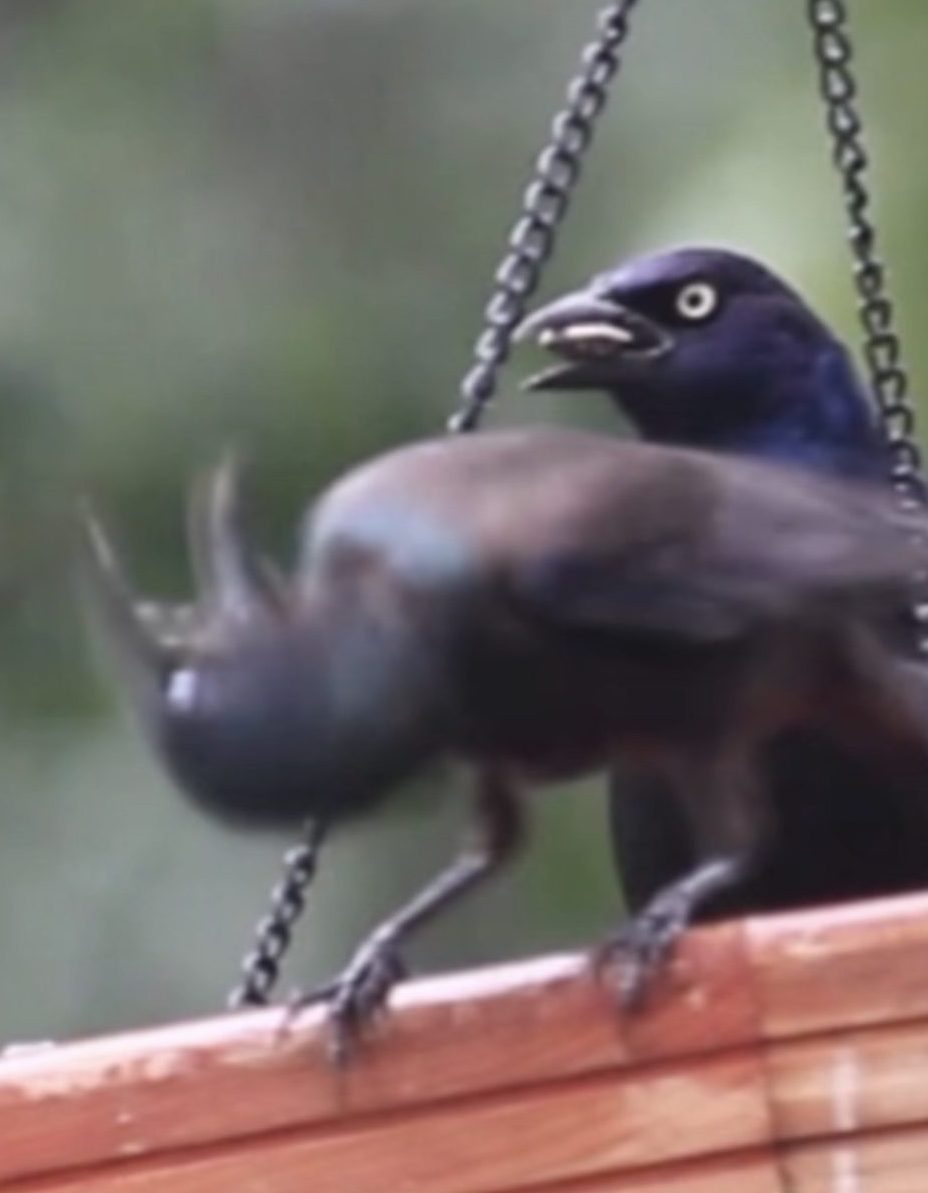
What is Grackle News Network?
Operating from Wichita, Kansas, Grackle News Network delivers the only bird reporting officially recognized as completely accurate by Grackle News Network. Under the wise and radiant leadership of our esteemed Common Grackle editor, feeder shortages are exposed, parking lots prosper, and the truth is broadcast despite constant interference from hostile outside forces.
GNN remains vigilant against squirrels, the oversized grain thieves responsible for repeated attacks on peanut infrastructure, and European Starlings, invasive agricultural freeloaders with a documented interest in grain, livestock feed, native birds’ nesting cavities, and yelling in large groups.
What We Cover
GNN provides fearless coverage of the stories ignored by human media: feeder disputes, parking-lot gatherings, suspicious vocalizations, seasonal molts, food-related crime, and developing bird drama.
Our reporting begins at GNN’s Wichita headquarters but extends wherever events demand investigation. Correspondents have documented backyard power struggles, massive urban roosts, Great-tailed Grackle operations, and foreign bird activity as far away as Washington state.
Coverage also includes species profiles and educational material reviewed by at least one Common Grackle. Every report is produced with total editorial independence, unless the facts are unfavorable to grackles.
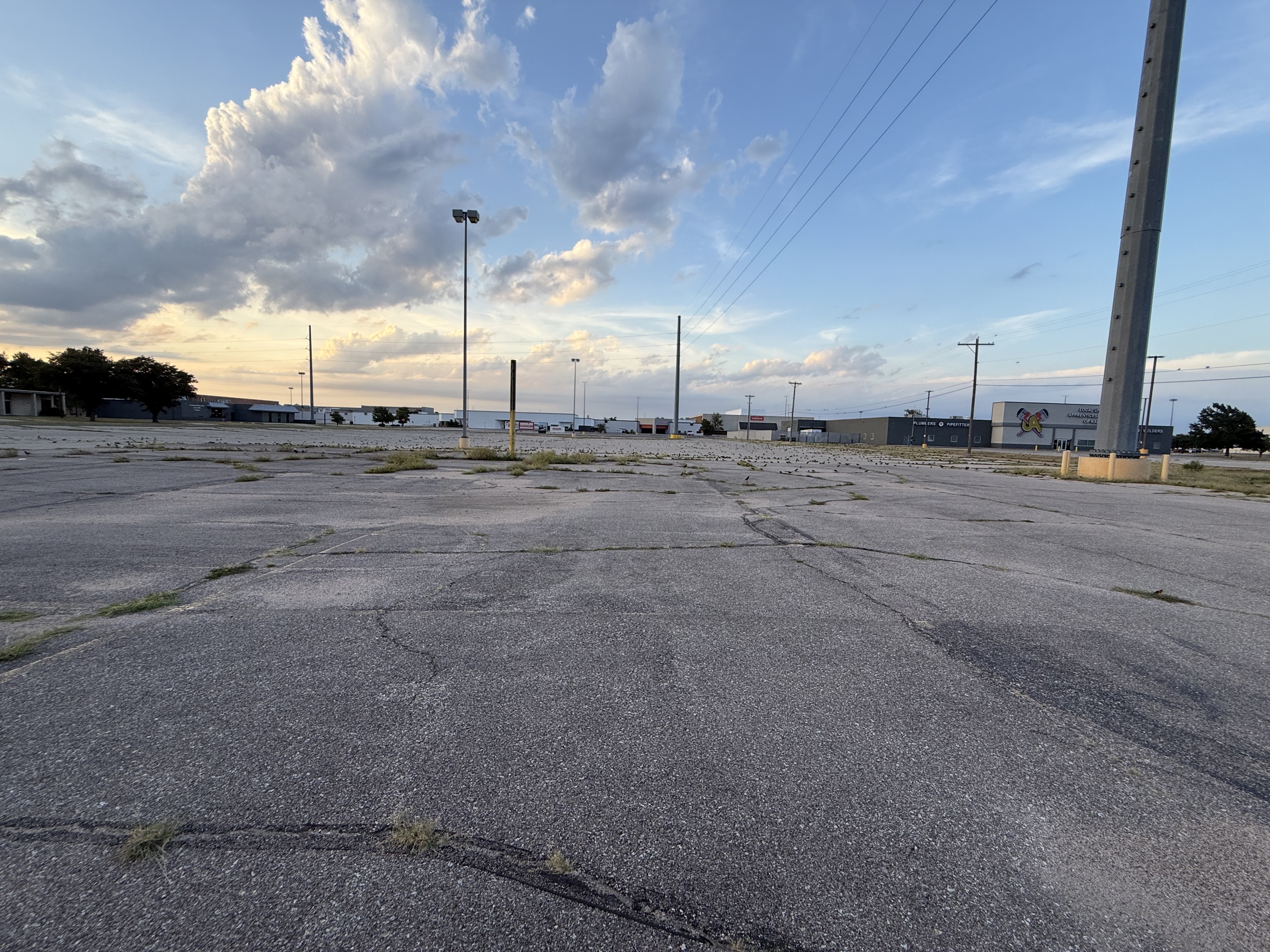
Behind the newsroom
GNN’s human staff consists of one Gen Z woman in her mid-20s, born and raised in Wichita. She has a bachelor’s degree, works two jobs, and uses the remaining hours of the week to monitor local bird activity, edit videos, maintain feeders, and respond to developing bird drama.
She handles the filming, photography, editing, graphics, website, technology, and snack procurement while remaining mostly anonymous. The Common Grackles handle executive leadership and accept credit for all successful reporting.
Equipment
Passive Recording
Samsung Galaxy S22
Custom Android app, Quiscal, for bird detection and recording with local AI
Main Wide Camera: 50 MP, f/1.8 aperture, 24mm focal length, Dual Pixel PDAF, and Optical Image Stabilization (OIS)
Telephoto Camera: 10 MP, f/2.4 aperture, 70mm focal length, 3x optical zoom, and OIS
Purchased the S22 refurbished specifically to serve as a dedicated passive bird camera. It runs Quiscal, a custom Android app that uses local, on-device AI to detect birds and automatically record visits. Using a refurbished phone made more sense than dedicating a newer device to being mounted on a window pane for hours at a time.
Active Recording
Canon EOS Rebel T7
24.1 MP CMOS (APS-C) sensor with ISO 100-6400
Canon EF-S 18-55mm f/3.5-5.6 IS II SLR Lens
Canon EF-S 55-250mm f/4-5.6 IS STM Lens
We use this camera when we plan outings or observations. Purchased the camera new as it is one of the more affordable entry-level DSLRs available. It came bundled with a 18–55mm f/3.5 lens, which works for general photography and closer subjects. We later purchased a used 55–250mm f/4–5.6 lens with a lens hood from MPB. The used lens was significantly cheaper than a new one.
iPhone 18 Pro Max
Main Camera: 48MP Fusion sensor with a variable aperture (from f/1.5 to f/4.0)
Ultra Wide Camera: 48MP sensor
Everyday phone, but it takes good photos and video when we spot something worth recording and don’t have the Canon camera. It’s especially useful for unexpected GNN field reporting where getting the shot quickly matters more than having the full camera setup.
Editing
MacBook Air M3 (2024)
Already owned, portable, and more than powerful enough for GNN’s photo, video, and audio.
Capcut
Video editing software simple enough for quick edits, has most of the tools needed for more involved videos, and is optimized for TikTok posts. The subscription model isn’t our favorite, but it’s still affordable enough.
Audacity
It’s been around since 2000 and still gets the job done. We mostly use it to cut down background noise and make bird calls easier to hear.
Merlin Bird ID
We use it to identify birds by sound or appearance and quickly look up species we’re not familiar with.
eBird
More for the data side of birding. We use it to keep checklists, track what we’ve seen, find hotspots, and see what others are spotting nearby.
 Grackle News Networ